
We need federal action!
Here is some info on the bills we were working on the past few years:
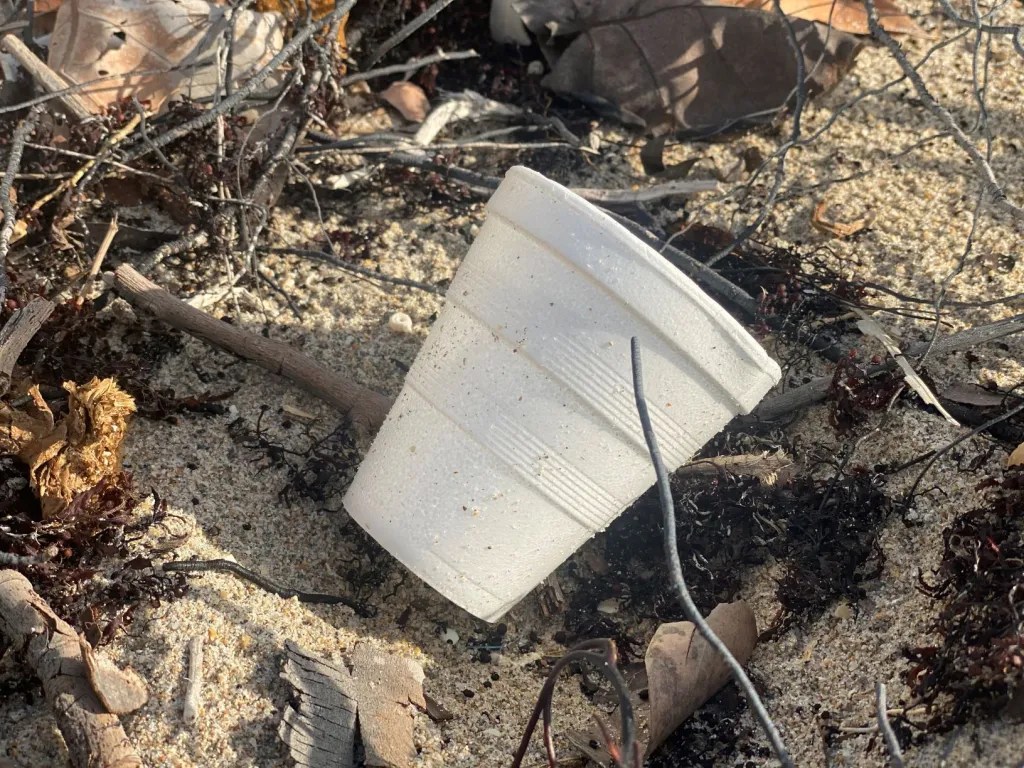
Farewell to Foam Act- HR 1918/S 897
The Farewell to Foam Act HR 1918/ S 897 was reintroduced in 2025:
https://www.congress.gov/bill/119th-congress/house-bill/1918/cosponsors
U.S. Senator Chris Van Hollen (D-Md.) and U.S. Representative Lloyd Doggett (D-Texas) reintroduced the Farewell to Foam Act, bicameral legislation to phase out single-use plastic foam food service products, “loose fill” such as packing peanuts, and non-medical disposable coolers – materials known to cause harmful health effects and pollute waterways. Press release here.
So far, Rep Castor, Rep Frost, Rep Cherfilus-McCormick, and Rep Wilson are supporting HB 1918.
Take action here.
Reducing Waste in National Parks Act- HR 3604/S 1926
Federal bill introduced to reduce the single-use plastics polluting our national parks.
Plastic has no place in our national parks. Plastic pollution harms wildlife and detracts from the natural beauty of these treasured places.
The Reducing Waste in National Parks Act (HR 3604/S 1926) would phase out the sale and distribution of single-use plastic products, such as plastic beverage bottles, bags, and foodware, across all 424 national park sites. This bill would also encourage water refill stations in the parks.
U.S. Interior Secretary Deb Haaland announced in June 2022 that single-use plastics will be phased out in all national parks and other federal lands managed by the Department of the Interior by 2032. But this policy is being overturned by the new administration.
Microplastics Safety Act- HR 4486/S 2353
HR 4486 The Microplastics Safety Act is a good bill that would direct the Secretary of Health and Human Services, acting through the Commissioner of Food and Drugs, to conduct a study, and submit to Congress a report, on the human health impacts of exposure to microplastics in food and water.
Thank you to Senators Rick Scott and Ashley Moody for cosponsoring S 2353.
REUSE ACT– S 2110/HR 7370
In November 2025, the US Senate passed the bipartisan REUSE Act to advance research on reuse and refill systems. S 2110/HR 7370 directs the Environmental Protection Agency to develop a comprehensive report on the feasibility and best practices of reuse and refill systems in the United States. The report would assess the economic and environmental impacts of these systems, including job creation potential, government requirements, and barriers to broader implementation.

Plastic Pellet Free Waters Act- HR 7543/S 4181
The Plastic Pellet Free Waters Act (H.R.7543) – this bill, led by Representatives Levin (CA) and Scholten (MI), would direct to the EPA to set a zero-discharge limit of plastic pellets and other pre-production plastics into waterways from facilities that make, use, package, or transport plastic pellets. The Senate’s Plastic Pellet Free Waters Act S4181 was reintroduced. Senator Durbin’s press release is here. The pellets are being consumed by fish and marine life—and in turn, humans—and create additional damage to ecosystems.
Plastic pellets, or nurdles, are the pre-production building blocks of nearly all plastic goods. Due to the low cost of producing these pellets, they are often washed down drains or dumped if they come in contact with other materials like dust and dirt. They are also often spilled both in the shipping and production process—eventually finding their way into our waterways, including the Great Lakes.
These pellets not only are showing up on beaches, but are building up on the bottom of the lakes and are being consumed by fish and marine life.
Approximately 250,000 tons of plastic pellets end up in the oceans annually. It is estimated that by 2025, more than 4.5 billion pounds of plastic packaging will be used annually.
Break Free From Plastic Pollution Act
*THIS BILL DID NOT PASS.
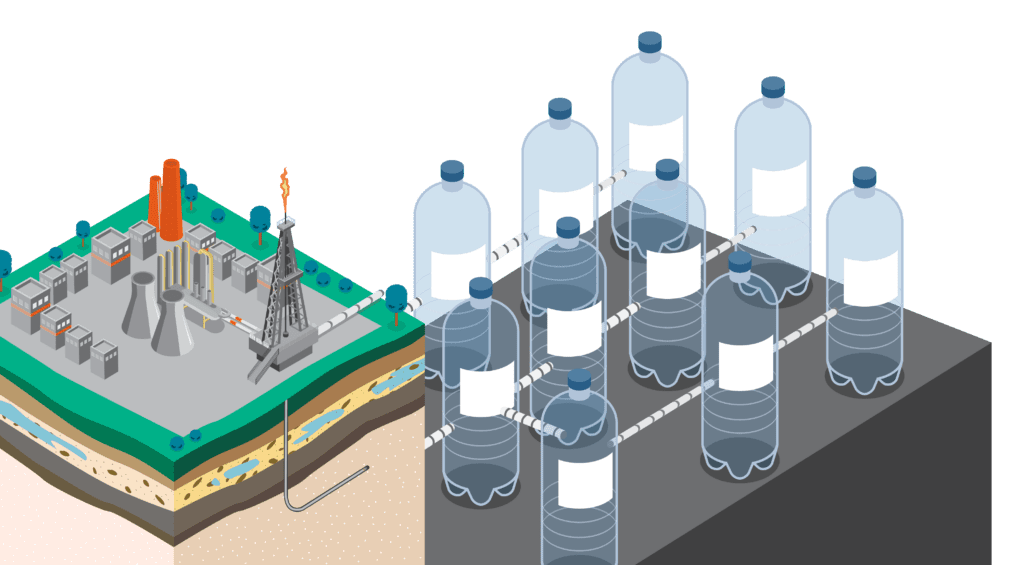
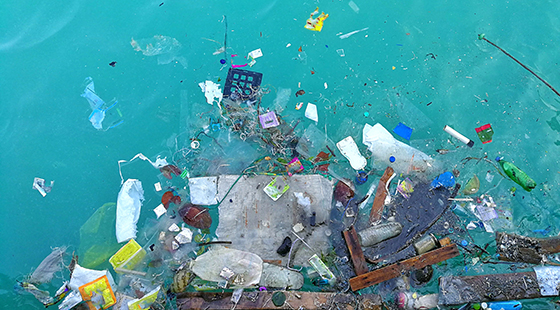
Plastic production is projected to grow at a rapid pace and if things don’t change, the amount of plastic going into the ocean will triple by 2040. Plastic production is also an enormous contributor to climate change. If plastic were a country, it would be the fifth largest emitter of greenhouse gases.
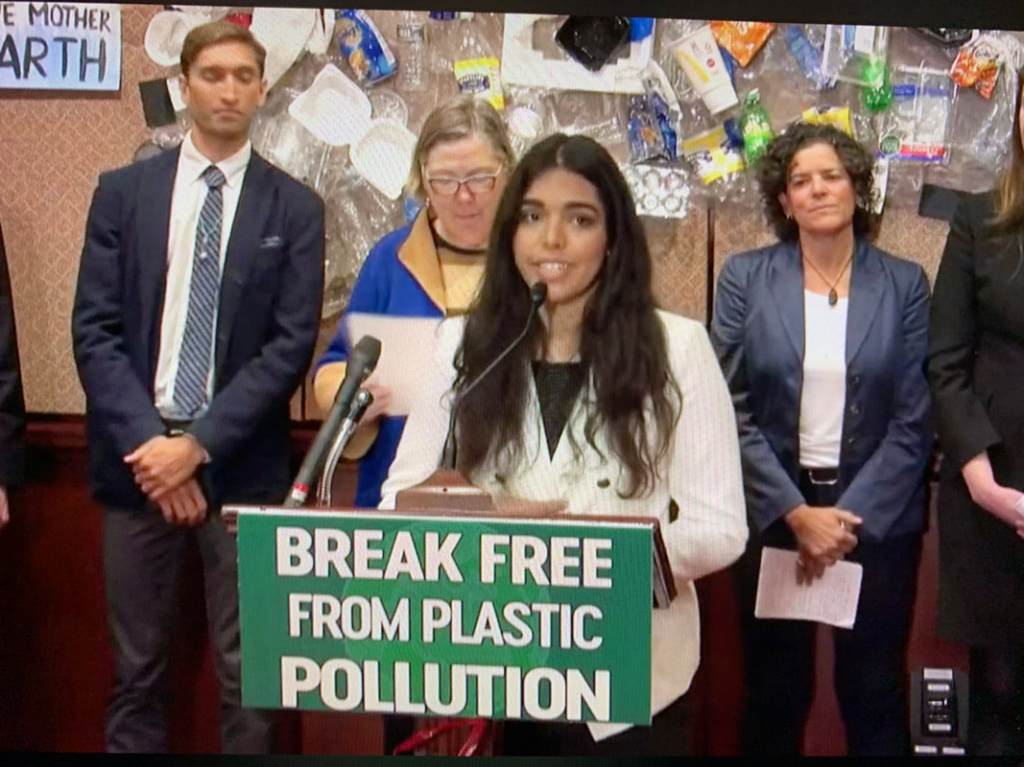
The Break Free From Plastic Pollution Act led by Senator Jeff Merkley (OR) and Congressman Jared Huffman (CA) was a comprehensive federal bill that would have stopped plastic pollution at the source and would have built on the momentum initiated by states and cities across the U.S. to protect our oceans, communities, climate, and health from plastic pollution.
The Break Free From Plastic Pollution Act was HR 6053, S 3127. It has not been reintroduced.
This bill did not pass.
This bill has not been reintroduced.
Sign a generic letter to your members of Congress here.
Contacting your Members of Congress:
You can call the office of your members of Congress. You have one US Representative and you have 2 US Senators. Tell the staff who answers the phone that you are a constituent and that you would like your member of Congress to cosponsor the these bills. If you don’t know who your US Representative is, find out here. Follow up after your phone call to see if your Representative/Senators cosponsored this bill. Save these phone numbers in your contacts list. Find your members of Congress HERE.
Sample phone script (staff will answer the phone): “Hello, my name is __ and I am a constituent. I am calling to ask Representative/Senator ___ to cosponsor and support the Reducing Waste in National Parks Act, REUSE Act, Microplastics Safety Act, Plastic Pellet Free Waters Act, and the Farewell to Foam Act.” It is helpful to include the bill numbers when you call.
It takes less than one minute to call! You can even leave a voicemail after hours if you’re too shy to speak with a real person.
You can also call and ask for an appointment to speak with your member of Congress or speak with the in-district director. Some members are holding virtual meetings. Find your US Senator here. Find your US Representative here.
ALSO, JUST BECAUSE YOUR MEMBER OF CONGRESS COSPONSORED A DIFFERENT PLASTICS BILL DOESN’T MEAN THAT THEY ALSO CAN’T COSPONSOR ANOTHER ONE! THEY CAN COSPONSOR MULTIPLE BILLS.

Tips for influencing your MoCs (members of Congress):
(Source: Indivisible)
- Find your three MoCs, their official websites, and their office contact info.
- Sign up on your MoCs’ websites to receive regular email updates, invites to local events, and propaganda to understand what they’re saying. Every MoC has an e-newsletter.
- Set up a Google News Alert — for example for “Rep. Bob Smith” — to receive an email whenever your MoCs are in the news.
- Research on Google News what local reporters have written about your MoCs. Find and follow those reporters on Twitter, and build relationships. Before you attend or plan an event, reach out and explain why your group is holding the event, and provide them with background materials and a quote.
- MoCs regularly hold local “town halls” or public listening sessions throughout their districts or state. If you can’t find announcements online, call your MoC directly to find out. When you call, be friendly and say to the staffer, “Hi, I’m a constituent, and I’d like to know when his/her next town hall forum will be.” If they don’t know, ask to be added to the email list so that you get notified when they do.
- In addition to town halls, MoCs regularly attend public events for other purposes — parades, infrastructure groundbreakings, etc. Like town halls, these are opportunities to get face time with the MoCs.
- Every MoC has at least one district office, and many MoCs have several spread through their district or state. The official webpage for your MoC will list the address of every local office. You can find those webpages easily through a simple Google search. Even if you are able to get a one-off meeting with the MoC, you are most often going to be meeting with their staff. In district, the best person to meet with is the district director, or the head of the local district office you’re visiting. There are real advantages to building a relationship with these staff.
- Follow these steps for a good in-person staff meeting:
- Have a specific “ask” — e.g., vote against X, cosponsor Y, publicly state Z, etc. Example: “I would like you to cosponsor the Break Free From Plastic Pollution Act.”
- Know your talking points, including what to say if you get push-back.
- Leave staff with a brief write-up of your issue, with your ask clearly stated. You may choose to leave literature about plastics.
- Share a personal story of how you or someone in your group is personally impacted by this specific issue.
- Be polite — yelling at the underpaid, overworked staffer won’t help your cause.
- Be persistent — get their business card and call/email them regularly; ask if the MoC has taken action on the issue. “Just following up to see if you will cosponsor the Break Free From Plastic Pollution Act.”
- Communicate on social media. Take and send pictures with your group: “At Congressman Smith’s office with 10 other constituents to ask him to cosponsor the Farewell to Foam Act.” Tag your MoC!
- Not getting anywhere with your member of Congress? Write a Letter to the Editor and submit it to be published in your local newspaper. Name your member of Congress in the LTE. Guidance is here.
About the Break Free From Plastic Pollution Act (This bill did not pass)
The Break Free From Plastic Pollution Act led by Senator Jeff Merkley (OR) and Congressman Jared Huffman (CA) was a comprehensive federal bill that stops plastic pollution at the source and builds on the momentum initiated by states and cities across the U.S. to protect our oceans, communities, climate, and health from plastic pollution. This bill did not pass. This bill has not been reintroduced.
If passed, it would have done the following:
- Establish strong source reduction targets for single-use plastic products and beverage containers
- Phase out unnecessary single-use plastic products, including plastic foam foodware, plastic utensils, plastic bags, and hotel toiletry bottles
- Establish funding for reuse and refill systems
- Reduce exposure of toxic chemicals
- Put the responsibility of managing and cleaning-up plastic waste on the companies producing it
- Protect fenceline communities by putting a moratorium on new and expanded plastic facilities across the country
- Regulate plastic pellets so they can’t be dumped into rivers, lakes, and coastal waters.
- Limit the amount of plastic waste exported to other nations
- Protect the ability of cities and states to continue their progress in combatting the plastic pollution crisis.
U.S. voters strongly support local, state, and national policies to reduce single-use plastic. As we see progress on the state and local level in the U.S. and as negotiations are happening for an international plastics treaty, it’s time for Congress to act to reduce plastic pollution and move to refill and reuse systems.
News/updates:
In July 2024, the Biden administration announced that it will phase out single-use plastics across the federal government by 2035 and from food service operations, events, and packaging by 2027. Read more here.
(UPDATE: President Trump’s 2025 executive order directs federal agencies to stop purchasing paper straws, making sure they are not provided in government buildings. It also calls for a “National Strategy to End the Use of Paper Straws” to be produced within 45 days. Though the executive order aims to “alleviate the forced use of paper straws nationwide,” according to a White House fact sheet, plastic straw bans and restrictions will remain in effect in cities and states across the country).
 Plastic Free Florida